
Havana
Havana
Havana: History, Culture, and Charm of the Cuban Capital
Havana: History, Culture, and Charm of the Cuban Capital
Havana is the beating heart of a nation rich in history
Havana is not just the capital of Cuba—it’s the beating heart of a nation full of history, music, and traditions. With over 500 years of existence, this city blends colonial splendor with the vibrant energy of a Caribbean metropolis. Walking through its streets feels like traveling back in time while also experiencing a society in constant evolution. In this blog, we invite you to discover everything that makes Havana unique.
Havana is the beating heart of a nation rich in history
Havana is not just the capital of Cuba—it’s the beating heart of a nation full of history, music, and traditions. With over 500 years of existence, this city blends colonial splendor with the vibrant energy of a Caribbean metropolis.
Walking through its streets feels like traveling back in time while also experiencing a society in constant evolution. In this blog, we invite you to discover everything that makes Havana unique.
Essential Information About Havana for Tourists Traveling to Cuba
Havana, the capital of Cuba, is more than just a city: it’s a symbol of identity, history, and culture. Founded in 1519 by the Spanish, it has witnessed centuries of transformation, from the colonial era to the revolution and today. Located on the island’s northwest coast, its bay and the famous Malecón are iconic landmarks that define daily life for Havana’s residents.
But beyond its scenery, Havana is a melting pot of architecture, traditions, music, and hospitality.
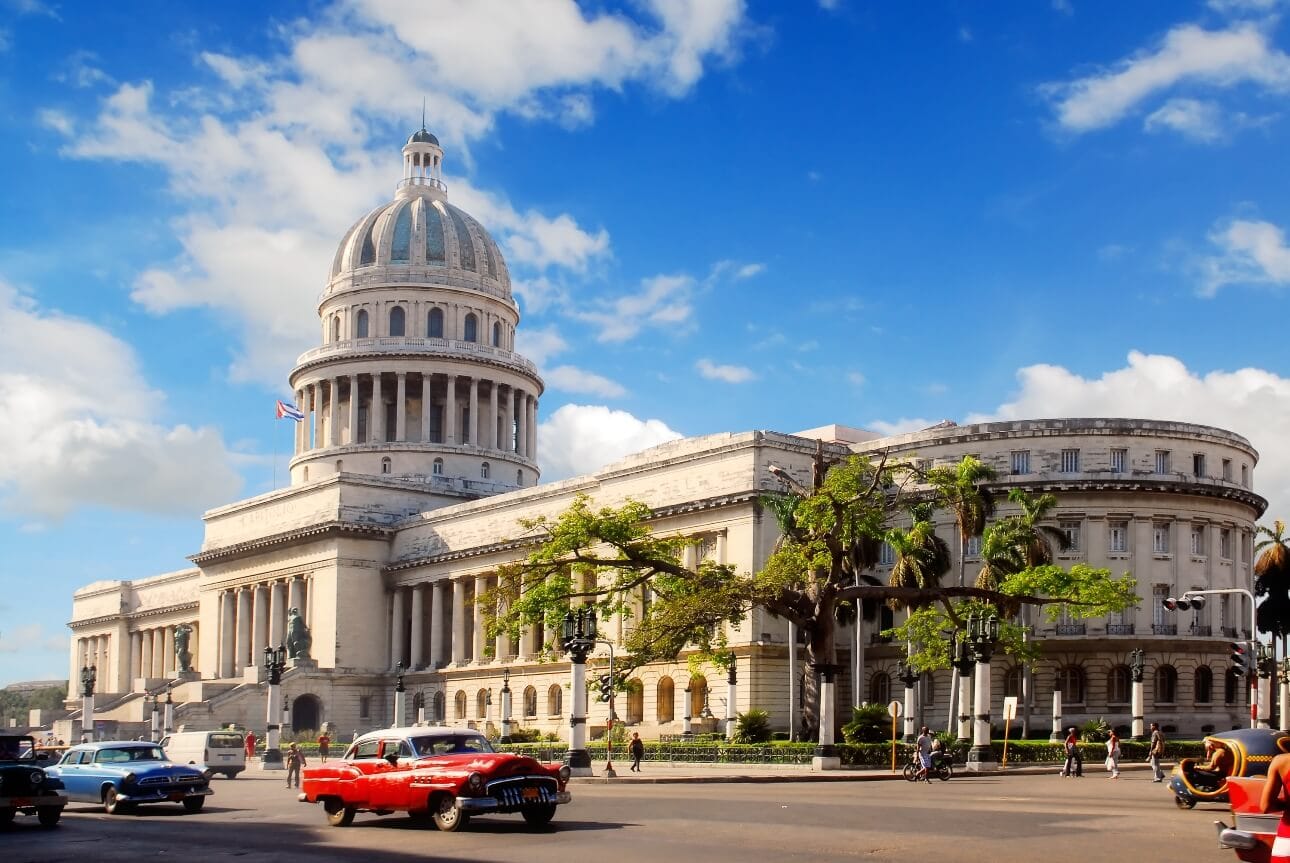
Havana is not only a tourist destination; it is the historical, political, and cultural heart of Cuba. Its importance as a colonial port turned it into a crossroads of Spanish, African, and Caribbean influences. In this blog, we delve into aspects less explored in conventional guides: its history, administrative organization, economy, and everyday life.
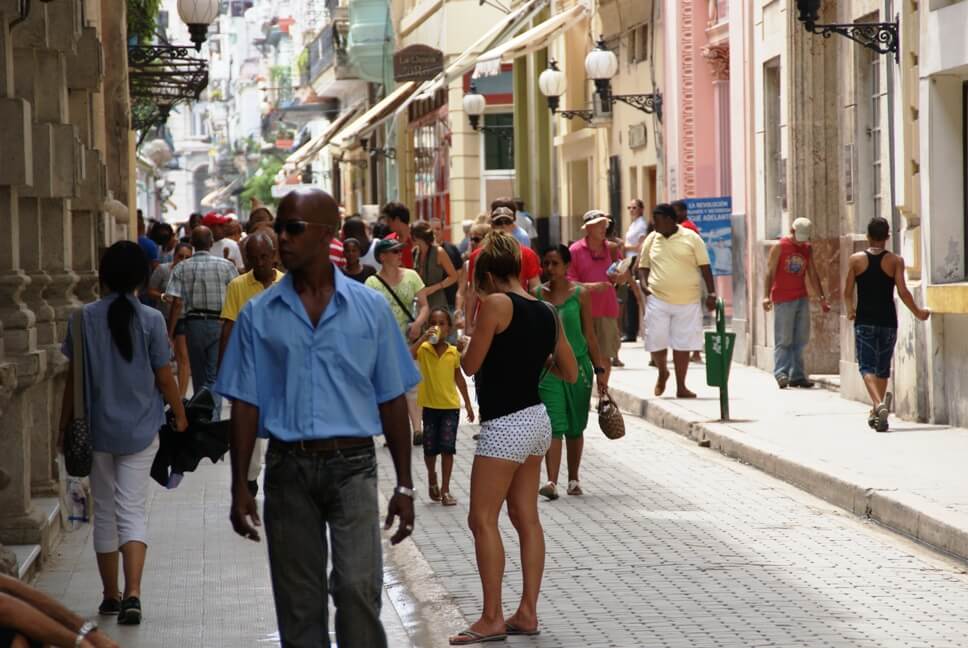
Havana Today: Society, Economy, Population and Demographics
- 2.1 million inhabitants (20% of the Cuban population)
- Progressive aging: Low birth rate and youth emigration
- Key sectors: Tourism (60% of local GDP), commerce, and medical services
- Currency: The official currency of Cuba is the Cuban Peso (CUP)
- Challenges: Housing shortages and deteriorating infrastructure
Historic Center and Heritage
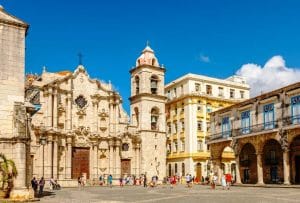
The Historic Center of Old Havana was declared a UNESCO World Heritage Site in 1982. Walking along its cobbled streets is like stepping back in time: colonial buildings, fortresses like El Morro and La Cabaña, and squares such as Cathedral Square or Plaza Vieja reflect centuries of history.
Culture and Traditions
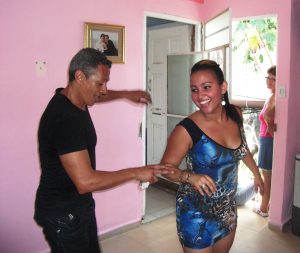
Havana is a vibrant cultural melting pot where music, literature, and spirituality intertwine. The city has given the world iconic musical genres like bolero, son cubano, and salsa, with legendary figures like Benny Moré.
In literature, it’s home to great writers like José Lezama Lima, whose work captures the essence of Havana.
Local spirituality shows a fascinating syncretism, where Catholicism coexists harmoniously with Afro-Cuban traditions like santería, creating a unique mosaic of beliefs and practices that define the city’s cultural identity.
 Havana is also the cultural epicenter of the Caribbean. The Havana International Ballet Festival, held uninterruptedly since 1960, is one of the world’s most important dance events, showcasing both Cuban and international talent. Complementing this artistic offering, the Havana Biennial transforms the city into an open-air gallery, where Cuban contemporary art interacts with international avant-garde movements, turning urban spaces into scenes of creation and innovation. These events not only enrich Havana’s cultural landscape but also reinforce Cuba’s role as an artistic reference in the region.
Transportation in Havana
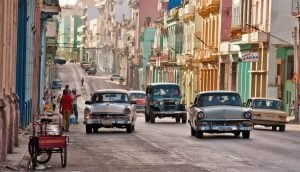
For tourists visiting Cuba, transportation mostly consists of taxi services. Getting around Havana is a unique experience that combines practicality with charm. The public system offers inexpensive buses, though often overcrowded. Meanwhile, iconic vintage American cars—known as almendrones—serve as shared taxis, adding a nostalgic touch to daily commutes. This peculiar transportation network perfectly reflects the character and history of the city.

Local Cuisine for Tourists in Havana
When it comes to food, Havana offers a mix of traditional Cuban flavors with international influences. Private restaurants (paladares) serve dishes like ropa vieja, arroz congrí, and yuca con mojo. Terraces and bars with live music also provide a unique nightlife experience.
 Nearby Beaches and Nature
 Nearby Beaches and Nature
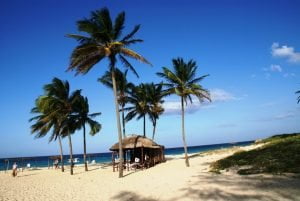
Just 30 minutes from downtown lie the Eastern Beaches (Playas del Este), ideal for a day of sun and sea.
You can also enjoy the Metropolitan Park, a green lung within the city, perfect for quiet walks.
Conclusion
Havana is not just a tourist destination—it’s a living experience. Every street, every corner, has a story to tell. Visiting it means immersing yourself in the very essence of Cuba
Fun Facts About Havana
- El Capitolio: Inspired by the one in Washington, D.C., but one meter taller
- East Havana: Home to the most visited beaches (Santa María del Mar)
- Cinema in Havana: Host of the International Festival of New Latin American Cinema
Essential Information About Havana for Tourists Traveling to Cuba
Havana, the capital of Cuba, is more than just a city: it’s a symbol of identity, history, and culture. Founded in 1519 by the Spanish, it has witnessed centuries of transformation, from the colonial era to the revolution and today. Located on the island’s northwest coast, its bay and the famous Malecón are iconic landmarks that define daily life for Havana’s residents.
But beyond its scenery, Havana is a melting pot of architecture, traditions, music, and hospitality.

Havana is not only a tourist destination; it is the historical, political, and cultural heart of Cuba. Its importance as a colonial port turned it into a crossroads of Spanish, African, and Caribbean influences. In this blog, we delve into aspects less explored in conventional guides: its history, administrative organization, economy, and everyday life.
Havana Today: Society, Economy, Population and Demographics
- 2.1 million inhabitants (20% of the Cuban population)
- Progressive aging: Low birth rate and youth emigration
- Key sectors: Tourism (60% of local GDP), commerce, and medical services
- Currency: The official currency of Cuba is the Cuban Peso (CUP)
- Challenges: Housing shortages and deteriorating infrastructure
Historic Center and Heritage
.

The Historic Center of Old Havana was declared a UNESCO World Heritage Site in 1982. Walking along its cobbled streets is like stepping back in time: colonial buildings, fortresses like El Morro and La Cabaña, and squares such as Cathedral Square or Plaza Vieja reflect centuries of history.
Culture and Traditions

Havana is a vibrant cultural melting pot where music, literature, and spirituality intertwine. The city has given the world iconic musical genres like bolero, son cubano, and salsa, with legendary figures like Benny Moré. In literature, it’s home to great writers like José Lezama Lima, whose work captures the essence of Havana.
Local spirituality shows a fascinating syncretism, where Catholicism coexists harmoniously with Afro-Cuban traditions like santería, creating a unique mosaic of beliefs and practices that define the city’s cultural identity.

Havana is also the cultural epicenter of the Caribbean. The Havana International Ballet Festival, held uninterruptedly since 1960, is one of the world’s most important dance events, showcasing both Cuban and international talent. Complementing this artistic offering, the Havana Biennial transforms the city into an open-air gallery, where Cuban contemporary art interacts with international avant-garde movements, turning urban spaces into scenes of creation and innovation. These events not only enrich Havana’s cultural landscape but also reinforce Cuba’s role as an artistic reference in the region.
.
Transportation in Havana

For tourists visiting Cuba, transportation mostly consists of taxi services. Getting around Havana is a unique experience that combines practicality with charm. The public system offers inexpensive buses, though often overcrowded. Meanwhile, iconic vintage American cars—known as almendrones—serve as shared taxis, adding a nostalgic touch to daily commutes. This peculiar transportation network perfectly reflects the character and history of the city.
Local Cuisine for Tourists in Havana

When it comes to food, Havana offers a mix of traditional Cuban flavors with international influences. Private restaurants (paladares) serve dishes like ropa vieja, arroz congrí, and yuca con mojo. Terraces and bars with live music also provide a unique nightlife experience.
Nearby Beaches and Nature

Just 30 minutes from downtown lie the Eastern Beaches (Playas del Este), ideal for a day of sun and sea. You can also enjoy the Metropolitan Park, a green lung within the city, perfect for quiet walks.
Conclusion
Havana is not just a tourist destination—it’s a living experience. Every street, every corner, has a story to tell. Visiting it means immersing yourself in the very essence of Cuba

Fun Facts About Havana
- El Capitolio: Inspired by the one in Washington, D.C., but one meter taller
- East Havana: Home to the most visited beaches (Santa María del Mar)
- Cinema in Havana: Host of the International Festival of New Latin American Cinema